
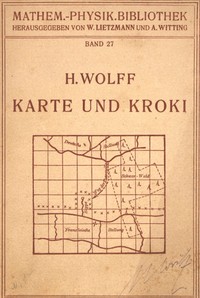
Karte und Kroki by Hans Wolff
Hans Wolff's Karte und Kroki is a quiet, thoughtful story that turns a simple discovery into a captivating journey. It proves you don't need explosions or spies to create real suspense—sometimes, a piece of paper is enough.
The Story
Lena, a cartographer who prefers the order of maps to the messiness of people, finds a fragile, hand-drawn sketch inside a book about 19th-century land surveys. Intrigued, she realizes it's a 'kroki'—a rough field drawing made before the official map is created. This one shows a small cluster of buildings near a bend in a river, but that bend and those buildings aren't on any modern map or record. Her professional curiosity turns into an obsession. The story follows her as she uses old archives, walks the modern landscape, and talks to local historians, trying to match the sketch to a real place. Along the way, she uncovers hints of a small, self-sufficient community that vanished from official history. The mystery isn't about a crime, but about a silence: why was this place left off the final map?
Why You Should Read It
This book got under my skin because it’s about the gaps in our knowledge. Wolff writes about maps not as boring tools, but as stories. They show what someone at a desk decided was important enough to record—and, by extension, what they decided to leave out. Lena is a fantastic guide; her logical mind bumping against the emotional weight of her discovery feels very real. The pace is slow and deliberate, like a long walk in the countryside, which makes the moments of revelation hit even harder. It makes you look at your own town differently, wondering what layers of history are paved over beneath your feet.
Final Verdict
Karte und Kroki is perfect for anyone who loves history, puzzles, or stories about ordinary people uncovering extraordinary secrets. If you enjoyed the calm investigation in books like The Cartographer of No Man's Land or the layered history in Anthony Doerr's work, you'll feel right at home here. It's not a fast-paced thriller, but a rewarding, contemplative read that stays with you long after you've found the final page.
This historical work is free of copyright protections. Knowledge should be free and accessible.
Lucas Scott
1 year agoClear and concise.
George Robinson
1 year agoI didn't expect much, but the plot twists are genuinely surprising. Don't hesitate to start reading.
Karen Martinez
1 year agoBased on the summary, I decided to read it and the clarity of the writing makes this accessible. Don't hesitate to start reading.
Susan Lee
2 years agoRecommended.
Nancy Martinez
1 year agoComprehensive and well-researched.