
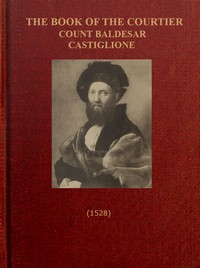
The Book of the Courtier by conte Baldassarre Castiglione
Picture this: the palace of Urbino, Italy, in the early 1500s. After dinner, a glittering group of nobles, diplomats, and intellectuals gather. They're bored with cards and music, so they decide on a game: over four evenings, they will invent the perfect courtier. What qualities should this person have? This is the simple, brilliant setup of Castiglione's book. It's not a novel with a plot, but a recorded series of debates. We listen in as real historical figures argue about education, humor, love, and politics.
The Story
The 'story' is the conversation itself. On the first night, they tackle the courtier's basic skills—he should be a skilled soldier, but also an athlete and well-spoken. The second night focuses on humor and how to wear learning lightly. The third introduces the ideal court lady, who is just as educated and witty as the men. The final, most intense night asks the biggest question: What's the point of all this perfection? The answer is to use this polished self to guide the prince toward virtue. The central 'conflict' is between different visions of excellence: effortless grace versus hard work, honesty versus flattery, action versus contemplation.
Why You Should Read It
This book is a mirror. You'll see the origins of so many modern ideas about charm, networking, and personal branding. It's fascinating (and sometimes funny) to hear them stress over things we still do: don't brag, don't tell old jokes, make your learning look natural. But it's also deeply idealistic. Underneath the talk of fashion and horsemanship is a serious belief that self-improvement has a higher purpose—to make the world better. The passages on the 'court lady' are particularly striking for their time, arguing for women's intellectual equality.
Final Verdict
This isn't a breezy read, but it's a rewarding one. It's perfect for anyone who loves history and wants to understand the Renaissance mind, not just its art. It's also great for people interested in philosophy, etiquette, or the art of influence. If you enjoy podcasts or long-form conversations about big ideas, you'll find a kindred spirit in this 500-year-old text. Think of it less as a book to finish and more as a fascinating conversation to drop in on. Keep a good translation handy (I like the one by Charles S. Singleton), and prepare to be surprised by how familiar these old debates feel.
The copyright for this book has expired, making it public property. Thank you for supporting open literature.
Matthew White
1 year agoFive stars!
Melissa Smith
2 months agoBeautifully written.
Melissa Wright
4 months agoAfter hearing about this author multiple times, the pacing is just right, keeping you engaged. Highly recommended.
Matthew Thomas
10 months agoBased on the summary, I decided to read it and the character development leaves a lasting impact. Don't hesitate to start reading.









Emma Williams
1 year agoSimply put, it creates a vivid world that you simply do not want to leave. I couldn't put it down.